
What First Time Skip Hirers in Lancaster Should Know
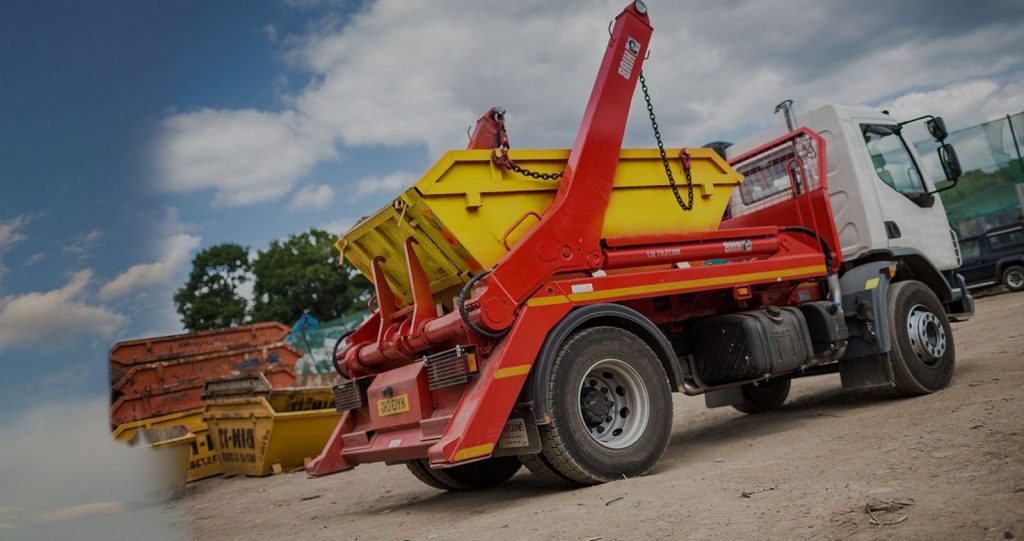
What to Expect When Hiring a Skip for the First Time
If you have never hired a skip before, it can feel slightly overkill for what seems like a simple clear out. That reaction is fairly common. People often underestimate how quickly waste builds up once a job starts. A couple of trips to the tip sounds manageable until you factor in time, fuel, and the reality of lifting awkward materials in and out of a car.
Skip hire Lancaster is generally straightforward, but first timers are often surprised by how organised it needs to be. Delivery times, access to your property, and how long you keep the skip all matter. Thinking these through early tends to make the whole process feel far less stressful once work is underway.
Choosing the Right Skip Size Without Guessing
One of the biggest uncertainties for first time hirers is size. It may seem sensible to go smaller to save money, yet this often backfires. Skips fill up faster than expected, especially when bulky items like old furniture, timber, or garden waste are involved. A skip that looks generous on paper can feel cramped after the first afternoon.
A useful rule of thumb is to think about volume rather than weight. Loose rubbish compresses differently to broken slabs or soil. If you are unsure, it is usually safer to size up slightly rather than risk needing a second skip. In most cases, the difference in cost is smaller than people expect.
Knowing Where the Skip Can Be Placed
Many first time customers assume a skip can go anywhere as long as there is space. In reality, placement matters. If the skip is going on a driveway or private land, there are usually no extra permissions needed. Things become more complicated when a skip needs to sit on the road or pavement.
In Lancaster, skips placed on public land typically require a permit from the local council. This is not something to panic about, but it does need sorting in advance. Leaving it too late can delay delivery, which may disrupt your plans more than you realise.
Understanding What Can and Cannot Go in a Skip
Another common point of confusion is what is allowed inside the skip. Many people assume it is a free for all once the skip arrives.
Certain materials are restricted, including electrical items, tyres, and hazardous waste. These rules exist for safety and environmental reasons rather than inconvenience.
It helps to have a rough idea of what you are throwing away before the skip turns up. If you are clearing a garage or loft, you may uncover items you forgot were there. Setting these aside early avoids awkward last minute sorting when the skip is already filling up.
Making the Most of Your Hire Period
Once the skip is delivered, it can be tempting to take your time. That approach sometimes works, but it often leads to half filled skips sitting around longer than planned. A bit of structure helps. Loading heavier and flatter items first usually makes better use of the space and reduces the risk of overfilling.
For first time hirers, the biggest relief often comes after the skip is collected. What looked like a messy, drawn out job suddenly feels finished. With a bit of planning, skip hire tends to be less of a hassle than expected and, in many cases, far more efficient than trying to manage waste bit by bit.